

SEO in 2026 isn’t just “put keywords on a page and hope.” Search engines now care about your website’s technical health, how enjoyable it is to use, and whether AI tools (like ChatGPT, Gemini, and Google’s AI Overviews) can confidently pull your content as a trusted source.
That last part has a name: Generative Engine Optimization (GEO) — optimizing your website so AI tools can understand it, trust it, and cite it.
This guide is written for non-technical business owners and marketers who want a simple, repeatable system.
What “Good SEO” Looks Like in 2026
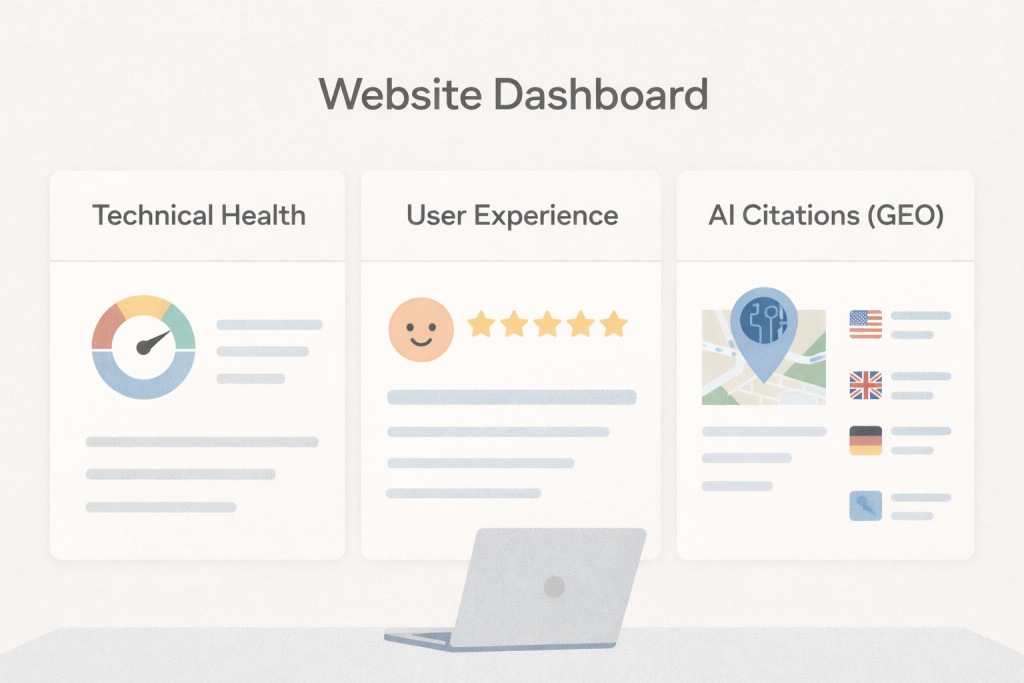
A high-performing website today has three things:
- A solid foundation (search engines can find and index you)
- A healthy website (fast, mobile-friendly, structured correctly)
- Helpful content (answers real questions better than anyone else)
Let’s build it in phases.
Phase 1: The Essential Setup (Your Foundation)
Before you write content, you need to make sure Google and AI tools can actually find you.
1) Choose a Search-Friendly Platform
If you’re starting fresh, WordPress is strongly recommended because it has mature tools that handle a lot of technical SEO for you (and it’s widely used across the internet).
Action: Use WordPress with a clean, lightweight theme.
2) Verify Your Site with Google Search Console (GSC)
Google Search Console is your direct line to Google. It shows:
- which pages are indexed
- what errors exist
- what keywords you’re showing up for
Action: Sign up on Google Search Console and verify your domain using the guided steps.
3) Install One SEO Plugin (Your Website’s “SEO Brain”)
On WordPress, install one all-in-one SEO plugin:
- Rank Math or
- Yoast SEO
Do not install both. It can cause conflicts.
Action: Run the plugin’s setup wizard. It will handle essentials like:
- Sitemap (a map of your pages)
- Robots.txt (instructions for crawlers)
Phase 2: Technical “Health Check” (No Coding Required)
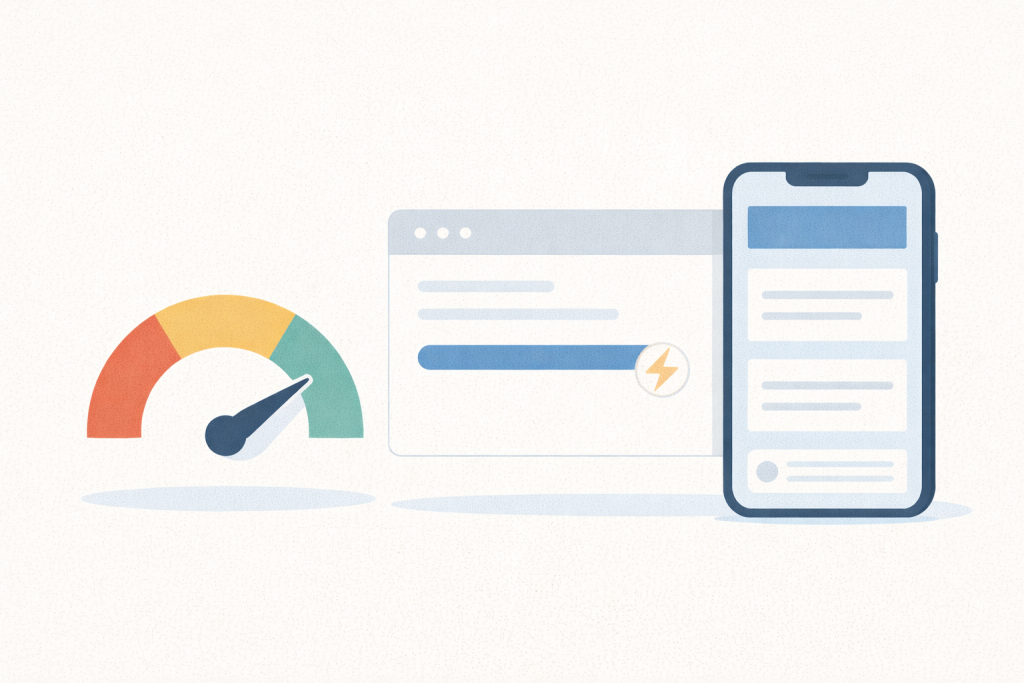
You don’t need to code to run a proper health check — you just need the right tools.
1) Prioritize Speed (Core Web Vitals)
Google rewards websites that load quickly and feel smooth.
Action: Test your site with Google PageSpeed Insights.
Quick fixes that usually help immediately:
- WP Rocket (caching)
- ShortPixel (image compression)
Heavy images are one of the biggest reasons websites feel slow.
2) Make Sure Your Site Is Mobile-First
Google uses the mobile version of your website to decide rankings.
Action: Check your site on your phone:
- Can you read it without zooming?
- Are buttons easy to tap?
- Does it load quickly on mobile data?
3) Add Structured Data (Schema)
Schema is like invisible labels that tell search engines what each page is:
- business page
- blog post
- product
- FAQ
- service
This is important for GEO because AI tools rely on clean structure.
Action: In Rank Math or Yoast, go to the Schema section and select the correct template for each page.
Phase 3: Content Strategy for 2026 (Intent + Answers)
In 2026, you’re not writing “for keywords.” You’re writing to satisfy searcher intent — the real reason someone searched.
1) Target Long-Tail “Answer” Keywords
Instead of targeting:
- “Red shoes”
Target:
- “What are the best red shoe designs for 2026?”
- “How do I style red shoes for a wedding?”
- “Are red shoes still in fashion this year?”
These longer queries are easier to rank for, and they’re exactly what AI tools summarize.
Action: Use AI tools like ChatGPT or Perplexity to generate the 50 most common questions people ask in your niche.
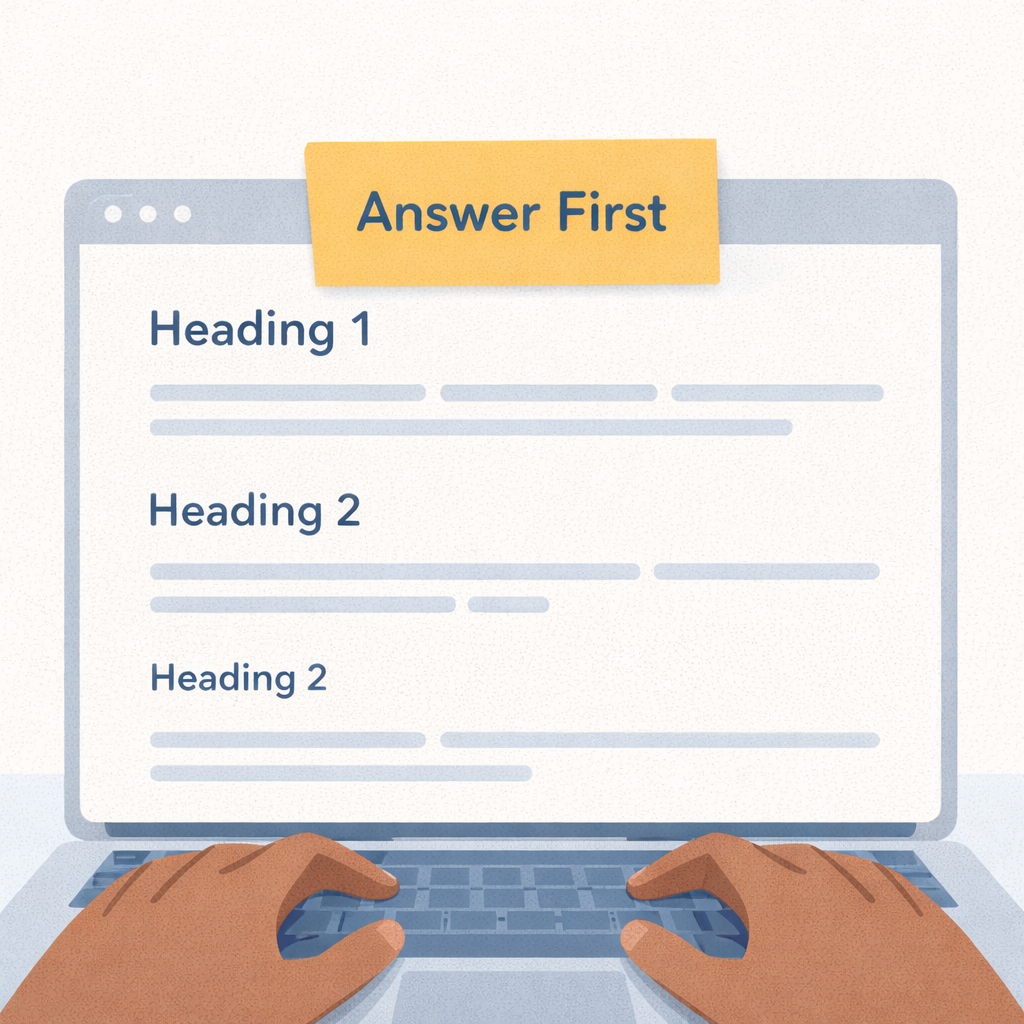
2) Use the “Answer-First” Framework
To show up in AI Overviews, you need to answer fast, then expand.
Action: Start every blog post with a 40–50 word direct answer.
Then go deeper using clear H2 and H3 headings.
3) Demonstrate E-E-A-T (Trust Wins in 2026)
Search engines prioritize content that shows:
- Experience
- Expertise
- Authoritativeness
- Trustworthiness
Action checklist:
- Add a strong author bio (real person, real credentials)
- Use real photos where possible (not only stock images)
- Link to credible sources when making claims
Phase 4: The On-Page Checklist (Your Publishing Sprint)
Every time you publish a page or post, run this quick sprint.
✅ Title Tag
- under 60 characters
- main keyword at the beginning
✅ Headings
- only one H1 (your page title)
- use H2 for sections and H3 for sub-sections
✅ Internal Linking
Add 2–6 links to other relevant pages on your website.
This helps Google understand your site structure and keeps users engaged longer.
✅ Image Optimization
Every image needs alt text (a short description).
Alt text helps:
- visually impaired users
- search engines understand your images
✅ Content Features (Boost Time on Page)
Add at least one “sticky” feature:
- summary box
- pros and cons list
- checklist
- simple calculator
- FAQ section
Interactive or scannable content keeps people on your site longer — and that’s a ranking signal.
Phase 5: Authority & “Search Everywhere” (SEO Beyond Google)
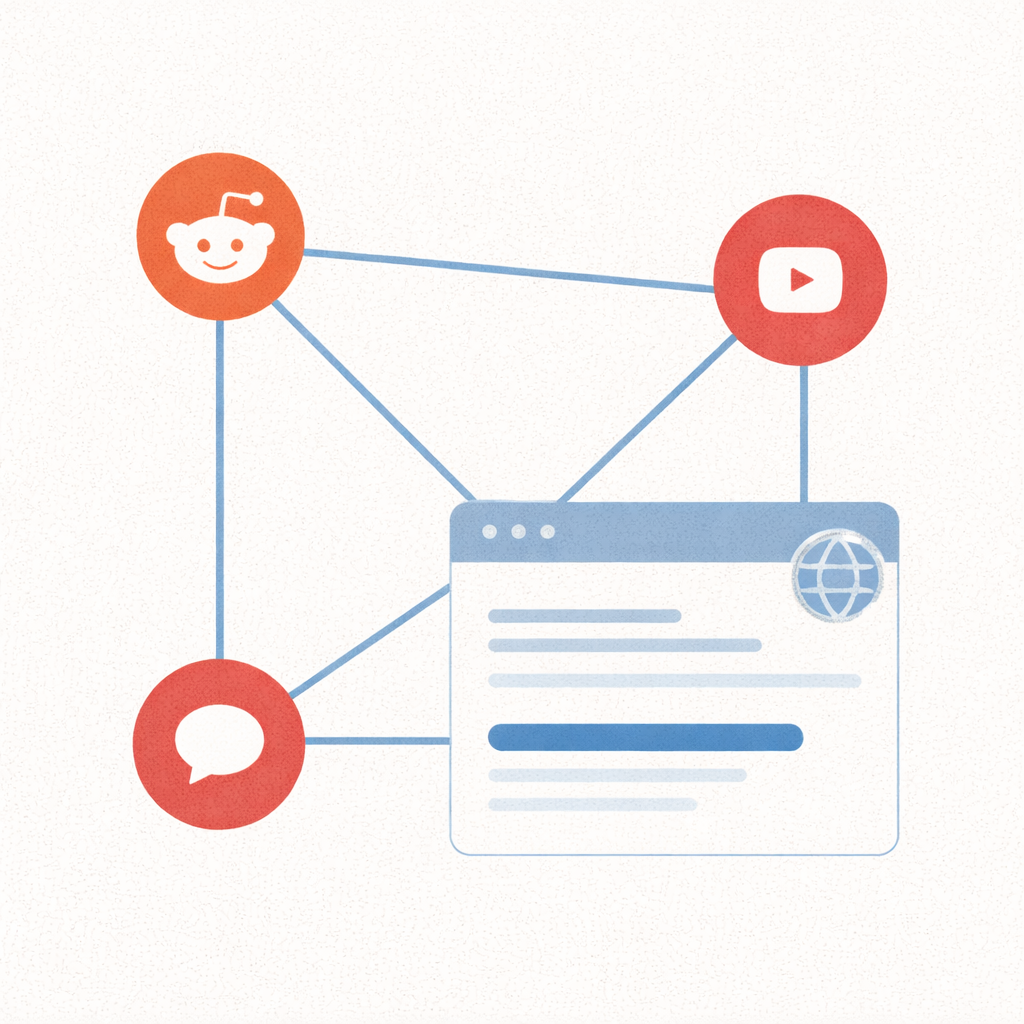
SEO isn’t just about Google anymore. Your brand needs to be visible everywhere because AI tools pull from multiple platforms.
1) Participate in Communities
AI tools often cite content from places like:
- YouTube
- Quora
Action: Spend 30 minutes a day answering questions in communities related to your niche. Be genuinely helpful, not spammy.
2) Build Backlinks (Votes of Confidence)
A backlink is when another website links to yours — it’s a credibility signal.
Action: Use platforms like:
- Featured.com
- Connectively (formerly HARO)
You give expert quotes, journalists publish them, and you earn high-quality backlinks.
3) Repurpose Content
Turn one blog post into:
- a short YouTube clip
- an Instagram Reel
- a carousel post
- a LinkedIn post
Multimedia is gaining more visibility in search results.
Phase 6: Maintenance & Measurement (Keep Rankings Stable)
SEO is not “set and forget.” It’s a simple monthly rhythm.
Monthly Audit (15 Minutes)
Action: Open Google Search Console monthly and check for:
- indexing errors
- pages not being discovered
- drops in clicks
Update “Sleeper Content”
If an old post used to perform well and slipped, updating it is often the fastest way to regain rankings.
Action: Refresh:
- titles and headings
- examples and dates
- images
- internal links
- the “answer-first” section at the top
Be Patient (But Consistent)
SEO typically takes 3 to 6 months for major results.
The websites that win are the ones that consistently publish helpful, people-first content and keep their site healthy.
Final Word: The Simple Rule for 2026 SEO
If your website is:
- fast
- structured
- mobile-friendly
- and answers real questions clearly…
…Google can rank you, and AI tools can confidently cite you.
That’s modern SEO + GEO.
